4915511024973
info@novatrixtrade.com
← Back To Home

India’s Agricultural Export Boom: Opportunities in European Markets

India has emerged as a major supplier of high-quality agricultural products to European markets. The increasing demand for organic and exotic fruits, particularly grapes from Maharashtra and pomegranates from Karnataka, has created significant export opportunities.

The European Union’s growing appetite for healthy, organic produce has opened new doors for Indian exporters. Premium grapes from the vineyards of Nashik and Pune have gained recognition for their quality and taste, commanding premium prices in German and Dutch markets.

Key factors driving this growth include:

1. Quality Improvements: Indian farmers have invested heavily in modern cultivation techniques, ensuring consistent quality that meets European standards.

2. Certification Programs: Many Indian exporters have obtained organic and fair-trade certifications, making their products more attractive to European consumers.

3. Government Support: The Indian government’s initiatives to promote agricultural exports have provided crucial support to farmers and exporters.

4. Logistical Improvements: Better cold storage facilities and improved shipping routes have ensured that products reach European markets in optimal condition.

The pomegranate industry, particularly from Karnataka and Maharashtra, has seen remarkable growth. These fruits are now regularly found in premium supermarkets across Germany, France, and the Netherlands.

Looking ahead, there are significant opportunities in:
• Exotic spices and condiments
• Organic tea and coffee
• Processed agricultural products
• Traditional Indian herbs and medicinal plants

For exporters looking to enter these markets, understanding European regulations, building strong relationships with importers, and maintaining consistent quality are key success factors.


The digital revolution is transforming international trade operations. Advanced technologies like AI, blockchain, and IoT are streamlining processes and enhancing transparency throughout the supply chain.

Key technological advances:

1. Digital DocumentationPaperless customs and shipping processes using electronic bills of lading, digital certificates of origin, and automated customs declarations.

2. Supply Chain TransparencyReal-time tracking and visibility using IoT sensors and GPS technology to monitor shipments from origin to destination.

3. Automated Quality ControlAI-powered inspection systems that can detect defects and ensure quality standards without manual intervention.

4. Predictive AnalyticsDemand forecasting and risk management tools that help traders anticipate market changes and optimize inventory levels.

Companies embracing digital transformation are achieving higher efficiency, reduced costs, and improved customer satisfaction in their international trade operations. The COVID-19 pandemic accelerated adoption of these technologies.

Benefits of digital trade platforms:
• Reduced processing times for documentation
• Lower operational costs through automation
• Enhanced security through blockchain verification
• Improved customer experience with real-time updates

Indian exporters are increasingly adopting digital tools to compete in global markets. Government initiatives like the Digital India campaign and Trade Infrastructure for Export Scheme (TIES) are supporting this transformation.

Emerging technologies like machine learning for demand prediction and drone technology for warehouse management are set to further revolutionize trade operations in the coming years.

Success stories show that companies implementing comprehensive digital strategies see 30-40% improvement in operational efficiency and significant reductions in documentation errors and processing delays.

Sustainability has become a crucial factor in international trade. European markets increasingly demand eco-friendly packaging solutions that minimize environmental impact while protecting products during long-distance shipping from India.

Innovation areas include:

1. Biodegradable MaterialsPlant-based packaging alternatives made from agricultural waste, bamboo fiber, and other renewable resources that break down naturally.

2. Reduced PackagingMinimalist design approaches that use less material while maintaining product protection, reducing both costs and environmental impact.

3. Reusable SystemsCircular economy packaging models where containers are designed for multiple uses, reducing waste and creating cost savings.

4. Smart PackagingTechnology integration for tracking, temperature monitoring, and preservation that extends product life and reduces waste.

Companies investing in sustainable packaging solutions are gaining competitive advantages in European markets where environmental regulations are becoming stricter. The EU’s Single-Use Plastics Directive has accelerated demand for alternative packaging materials.

Key benefits of sustainable packaging:
• Reduced shipping costs due to lighter materials
• Enhanced brand reputation among eco-conscious consumers
• Compliance with evolving European environmental regulations
• Potential for premium pricing on sustainably packaged products

Indian manufacturers are leading innovation in this space, developing packaging solutions from agricultural waste like rice husks, wheat straw, and coconut coir. These materials not only provide excellent protection but also align with circular economy principles.

Market opportunities are expanding rapidly, with European retailers increasingly requiring suppliers to demonstrate packaging sustainability and lifecycle assessments for their products.

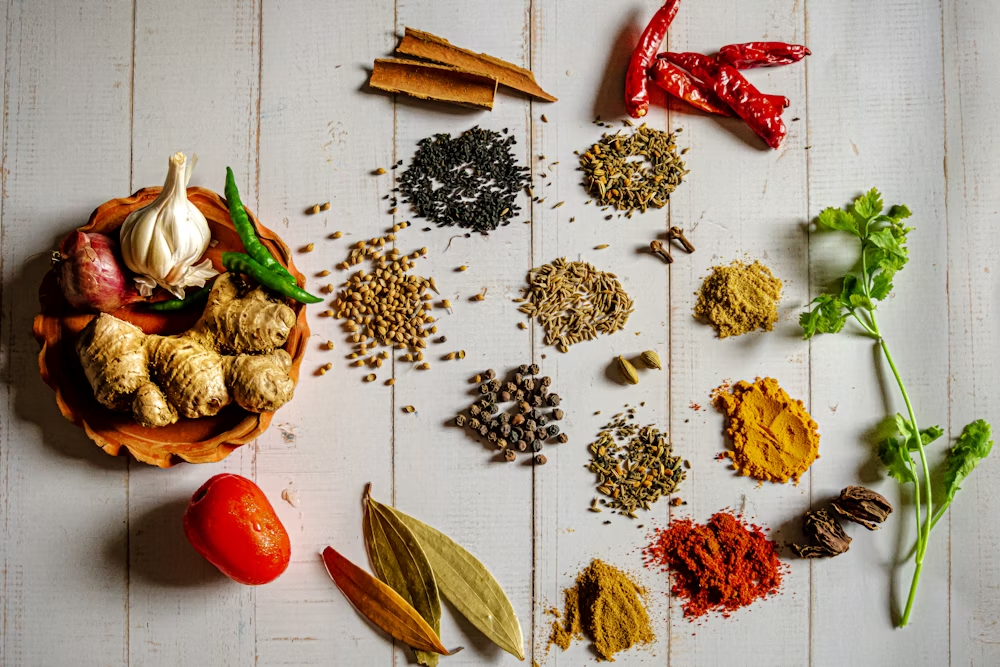
European consumers’ growing interest in authentic international cuisines has created unprecedented demand for high-quality Indian spices. From turmeric and cumin to exotic garam masala blends, Indian spices are becoming staples in European kitchens.

Market trends driving this growth:

1. Health Consciousness: Growing awareness of spices’ health benefits, particularly turmeric’s anti-inflammatory properties and the antioxidant benefits of various Indian spices.

2. Culinary Exploration: Interest in authentic international flavors driven by food blogs, cooking shows, and multicultural influences in European cities.

3. Quality Premium: Preference for premium, organic spice products over mass-market alternatives, creating opportunities for high-end Indian exporters.

4. Chef Endorsements: Professional chefs and Michelin-starred restaurants promoting authentic Indian cuisine and driving demand for genuine spices.

The organic spice market in Europe has grown by 25% annually, with Indian exporters well-positioned to capture this demand. Kerala’s cardamomRajasthan’s red chilies, and Karnataka’s black pepper are particularly sought after in premium European markets.

Key opportunities include:
• Direct-to-consumer online sales
• Private label partnerships with European retailers
• Specialty spice blends for specific regional tastes
• Organic and fair-trade certified products

Successful market entry strategies include obtaining organic certifications, building relationships with specialty food distributors, and participating in European food trade shows to showcase product quality and authenticity.

This trend presents significant opportunities for Indian spice exporters who can meet European quality standards, traceability requirements, and demonstrate authentic sourcing from traditional growing regions.

Exporting to the European Union requires thorough understanding of complex regulatory frameworks. This comprehensive guide covers essential compliance requirements, documentation processes, and quality standards that Indian exporters must navigate.

Key regulatory areas include:

1. Product StandardsCE marking requirements, safety certifications, and quality standards that vary by product category and intended use.

2. Documentation: Commercial invoices, certificates of origin, customs declarations, and specialized permits for certain product categories.

3. Import Duties: Understanding tariff structures, preferential trade agreements, and the GSP (Generalized System of Preferences) benefits available to Indian exporters.

4. Labeling Requirements: Language specifications, mandatory product information, and country-of-origin markings that must comply with EU standards.

Recent updates to EU regulations have emphasized sustainability and environmental compliance. The European Green Deal has introduced new requirements for carbon footprint reporting and environmental impact assessments.

Critical compliance areas for 2024:
• Digital Product Passport requirements for textiles
• Enhanced due diligence for supply chain transparency
• New packaging and waste regulations
• Updated chemical safety requirements (REACH compliance)

Working with experienced trade partners can help navigate these complexities and ensure smooth customs clearance. Many successful Indian exporters have established partnerships with EU-based compliance consultants and customs brokers.

The EU’s commitment to sustainable trade also presents opportunities for exporters who can demonstrate environmental responsibility and social compliance in their operations.

The textile trade relationship between India and Germany has strengthened significantly over the past decade. German companies are increasingly sourcing high-quality fabrics, garments, and accessories from Indian manufacturers.

This partnership is built on India’s competitive advantages in textile production, including skilled craftsmanship, cost-effective manufacturing, and diverse product offerings. German brands particularly value Indian textiles for their quality and sustainable production practices.

Key market segments include:

1. Premium Fashion: High-end clothing brands sourcing luxury fabrics from India’s textile hubs like Mumbai and Chennai.

2. Sustainable Textiles: Eco-friendly and organic textile products that meet Germany’s strict environmental standards.

3. Technical Textiles: Specialized fabrics for industrial applications, where Indian manufacturers excel in innovation.

4. Home Textiles: Quality bed linens, curtains, and furnishings that showcase traditional Indian craftsmanship.

The focus on sustainability has opened new opportunities for Indian manufacturers who have invested in eco-friendly production processes and certifications. Many German retailers now prioritize suppliers who can demonstrate carbon-neutral manufacturing and fair labor practices.

Recent developments show:
• 40% increase in textile exports to Germany over the last 3 years
• Growing demand for organic cotton products
• Increased collaboration in sustainable fashion initiatives
• Rising interest in traditional Indian textile techniques

German fashion weeks now regularly feature Indian textile innovations, highlighting the growing appreciation for Indian craftsmanship in European markets.

India has emerged as a major supplier of high-quality agricultural products to European markets. The increasing demand for organic and exotic fruits, particularly grapes from Maharashtra and pomegranates from Karnataka, has created significant export opportunities.

The European Union’s growing appetite for healthy, organic produce has opened new doors for Indian exporters. Premium grapes from the vineyards of Nashik and Pune have gained recognition for their quality and taste, commanding premium prices in German and Dutch markets.

Key factors driving this growth include:

1. Quality Improvements: Indian farmers have invested heavily in modern cultivation techniques, ensuring consistent quality that meets European standards.

2. Certification Programs: Many Indian exporters have obtained organic and fair-trade certifications, making their products more attractive to European consumers.

3. Government Support: The Indian government’s initiatives to promote agricultural exports have provided crucial support to farmers and exporters.

4. Logistical Improvements: Better cold storage facilities and improved shipping routes have ensured that products reach European markets in optimal condition.

The pomegranate industry, particularly from Karnataka and Maharashtra, has seen remarkable growth. These fruits are now regularly found in premium supermarkets across Germany, France, and the Netherlands.

Looking ahead, there are significant opportunities in:
• Exotic spices and condiments
• Organic tea and coffee
• Processed agricultural products
• Traditional Indian herbs and medicinal plants

For exporters looking to enter these markets, understanding European regulations, building strong relationships with importers, and maintaining consistent quality are key success factors.

Welcome to WordPress. This is your first post. Edit or delete it, then start writing!